The story behind Degotardi Imagery — a photographic legacy spanning generations.
Some stories begin long before we're born.
Mine began more than a century ago, with a camera, a printing press and a family name that would one day find its way back into photography.
When I was searching for a name for my photography business, I wanted something that carried meaning. Something that felt connected to who I am, where I've come from and the photographs I hope to leave behind.
As it turns out, the name had been there all along.
Where the Story Began
In the 1800s, my ancestor John Degotardi was working as a photographer, printer and publisher in Sydney, Australia.
At a time when photography was still developing as both an art form and a means of documentation, John was part of an industry that would forever change how people remembered the world around them.
Photography was no longer simply about creating a likeness. It was becoming a way of preserving people, places and moments in history.
The photographic legacy continued through the Degotardi family.
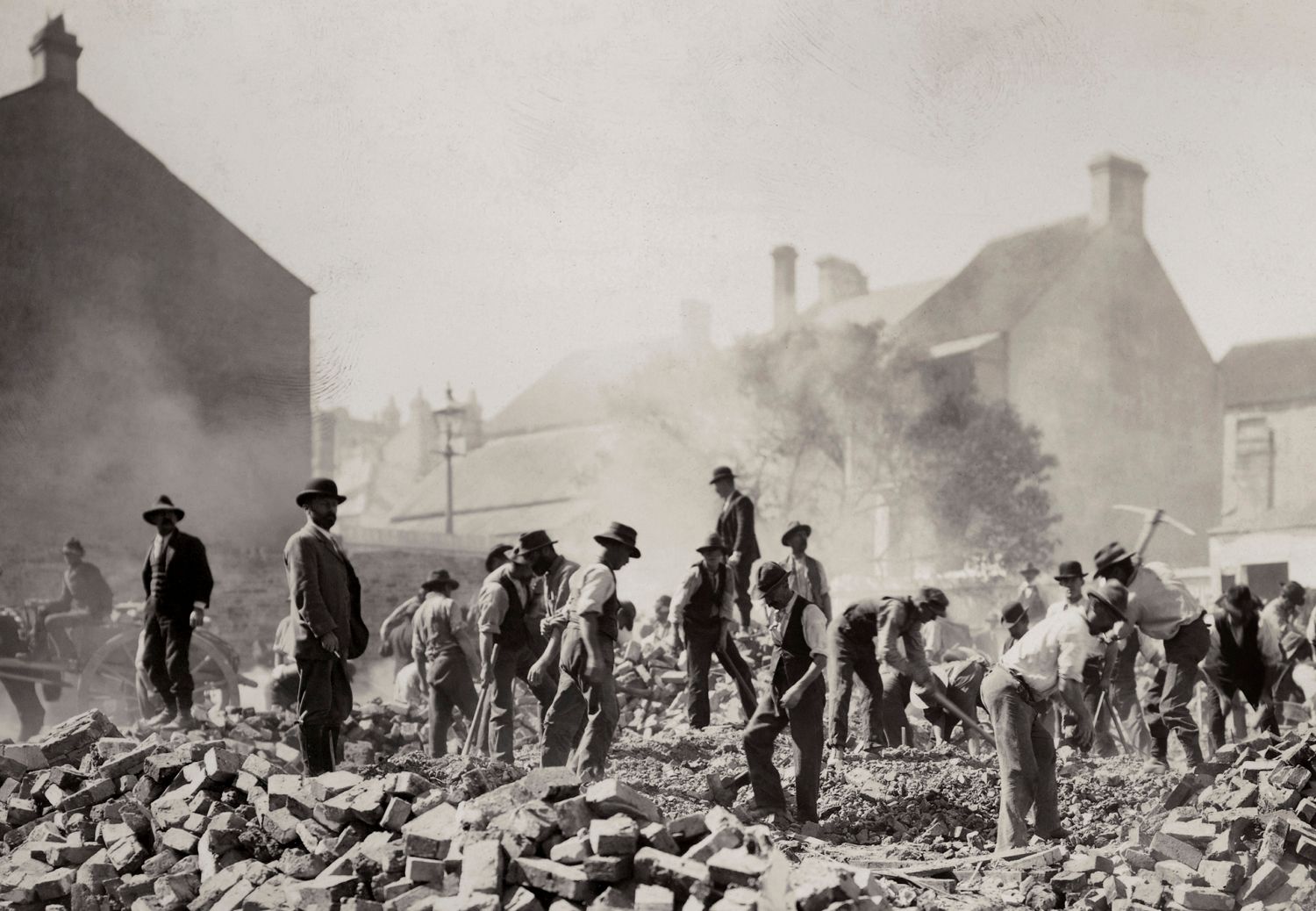
In 1901, John Degotardi Junior used photography to document Sydney during the bubonic plague outbreak, capturing streets, buildings and neighbourhoods at a significant moment in the city's history.
These photographs became more than images. They became historical records — glimpses into a world that no longer exists in quite the same way.
More than a century later, they remind us of the extraordinary power of an ordinary photograph.
The Things We Leave Behind
One of the most meaningful parts of discovering my family's history has been seeing the objects and photographs that have survived.
Among the pieces I treasure are a family ancestry book compiled by Gail Frederiksen and an old printed book connected to the family's printing history.
There is something remarkable about holding an object that has travelled through generations.
The pages have aged. The world around them has changed. Yet the stories remain.
In recent years, I've also had the opportunity to reconnect with research into the Degotardi family's photographic work through The Rocks Discovery Museum in Sydney.
Learning that cameras associated with John Degotardi Junior's documentation of the 1901 plague outbreak have been acquired by the museum has made this history feel even more tangible.
I hope one day to see them in person.
There's something quite beautiful about the idea that the tools once used to document history have themselves become part of history.
Finding My Own Way Behind the Camera
Generations later, without initially understanding just how deeply photography was woven into my family's history, I found myself drawn to the same medium.
I went on to study photography at RMIT University in Melbourne, graduating with a Bachelor of Arts in Photography in 2017.
Throughout my studies, I became interested in the relationship between photography, memory and the human experience.
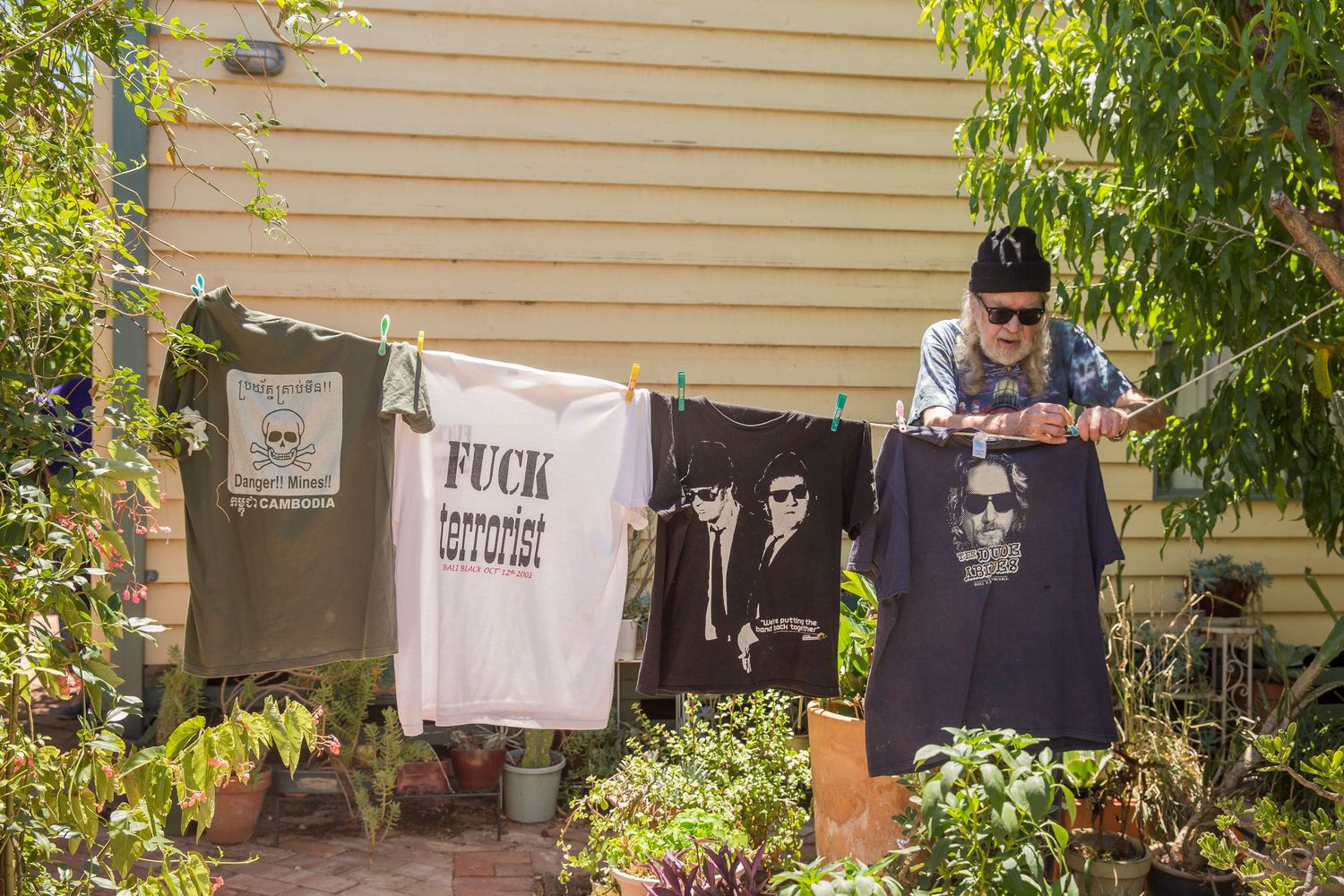
I was drawn to the ordinary things. The familiar spaces we inhabit, the marks life leaves behind and the moments that might otherwise go unnoticed.
My work explored ideas of memory, identity, place and the stories we carry with us.
Over time, I began to understand that the photographs I connected with most weren't necessarily the perfectly posed or carefully constructed ones.
They were the photographs that made me feel something.
The ones that allowed me to imagine what happened before the shutter clicked, or what might have happened afterwards.
The ones that made an ordinary moment feel extraordinary.
Why Degotardi Imagery?
When the time came to create my own photography business, choosing the name Degotardi Imagery felt like bringing two parts of my story together.
It was a way of honouring the photographers, printers and storytellers who came before me, while creating something entirely my own.
Today, my approach blends documentary storytelling with an editorial eye.
I'm drawn to genuine connections, quiet gestures, unexpected laughter and the beautiful, imperfect moments that make us human.
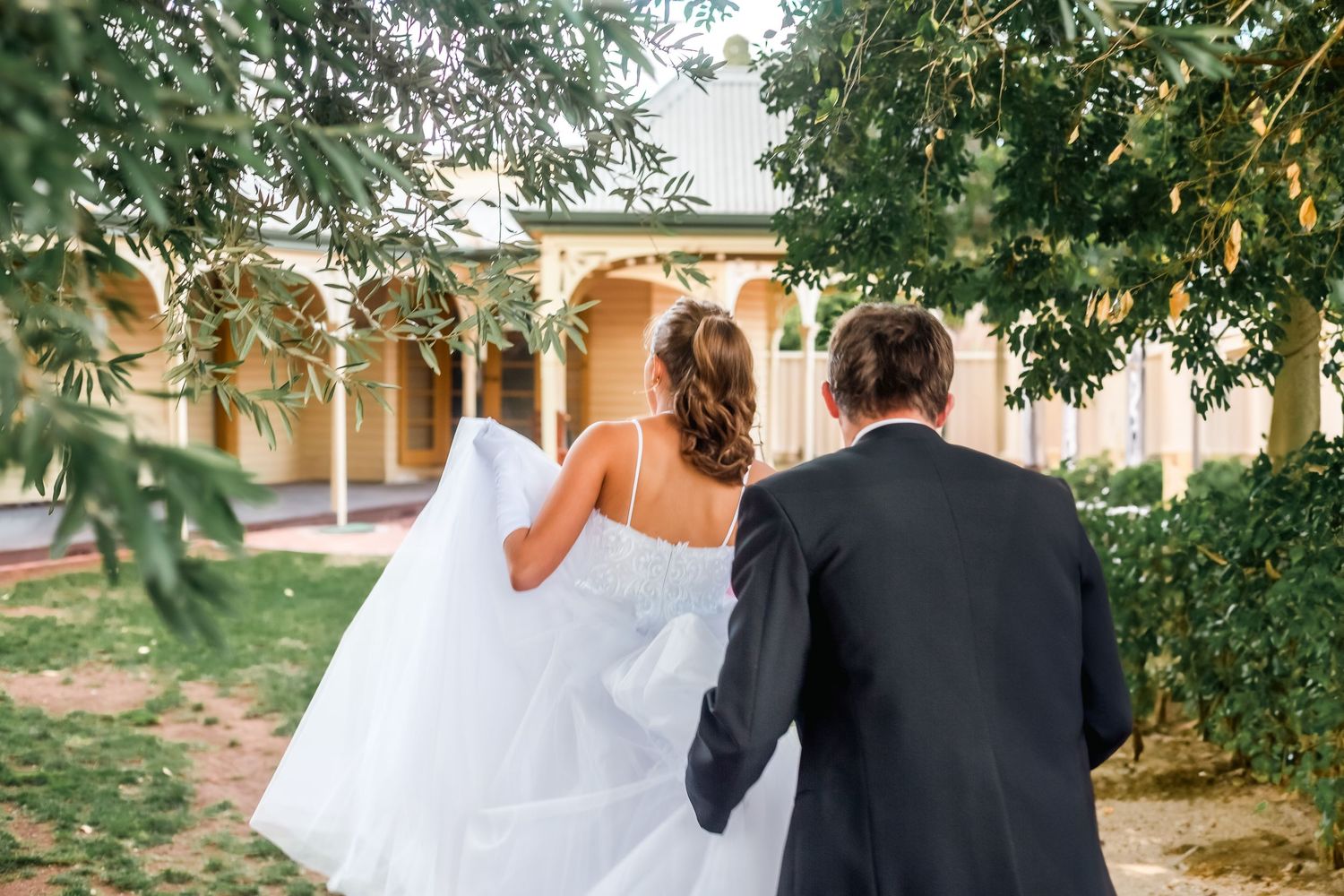
Whether I'm photographing a family, a couple, a celebration or simply someone as they are, I want the images to feel honest.
Not just a record of how someone looked, but a reminder of how that moment felt.
Because one day, the photographs we take today will become somebody else's history.
They'll be tucked into albums, passed between generations, framed on walls or discovered in boxes long after we've forgotten the day they were made.
And perhaps someone will look at them with the same curiosity and wonder I feel when I look at the photographs my ancestors left behind.
A Story Still Being Written
I often think about the distance between John Degotardi's camera in nineteenth-century Sydney and the one I hold today.
The technology has changed. The world has changed. Even the way we experience photographs has changed.
But the reason we make them remains remarkably similar.
To remember.
To document.
To tell stories.
And to leave something behind.
Degotardi Imagery is my way of continuing that tradition — preserving the people, places and fleeting chapters of life through photographs that will hopefully mean just as much tomorrow as they do today.
Because the moments themselves may pass, but their stories don't have to.
Photographs made to outlive the moment.