Body language, self-expression and finding yourself in front of the camera.
People. Place. Story. | The Degotardi Journal
There is something wonderfully vulnerable about standing in front of a camera.
Suddenly, we become aware of everything. Where to put our hands, how to stand, whether to smile, which side of our face we prefer.
We begin thinking about how we look rather than simply allowing ourselves to be.
But what if photography wasn't about learning how to look perfect?
What if it was about learning how to feel like ourselves?
Beyond the Pose
I recently came across a TED Talk by portrait photographer David Suh titled Why Body Language Is the Key to Self-Expression — and Hot Selfies.
His approach to photography explores something I find particularly interesting: the relationship between our bodies, our identities and the way we choose to present ourselves to the world.
Suh challenges the traditional idea of posing. Rather than teaching people to position themselves according to conventional beauty standards, he encourages them to use body language as a form of self-expression.
A slight movement of the chin, a shift in posture, a relaxed shoulder or a change in the direction of someone's gaze can completely transform the feeling of a photograph.
Not necessarily because one position is more flattering than another, but because each movement communicates something different.
Confidence. Vulnerability. Curiosity. Strength. Tenderness.
Our bodies have been telling stories long before we ever stood in front of a lens.
Photography Is a Conversation
As a photographer, I believe some of the most meaningful photographs happen when people begin to forget about the camera.
The moment someone laughs without thinking about their smile.
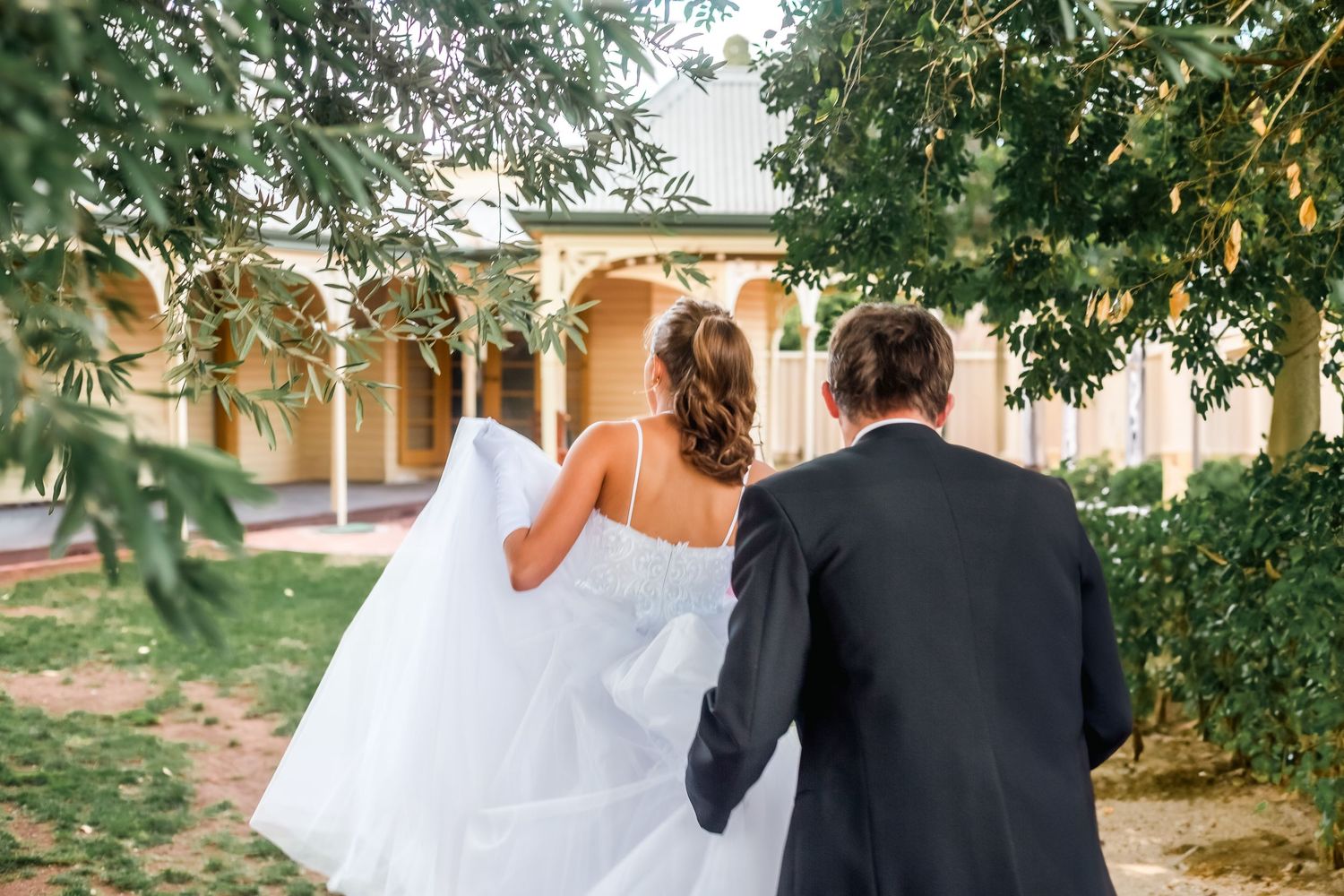
The way a couple naturally lean towards one another.
A hand resting gently on someone's shoulder.
The quiet expression that appears between conversations.
These gestures may seem ordinary, but they are often what make a photograph feel deeply personal.
This is where my love of documentary photography comes in.
I'm interested in the little things that make us human. The movements, expressions and connections that are so familiar to us that we sometimes overlook their beauty.
And while I love the honesty of an unposed photograph, I also believe there is a place for gentle direction.
Sometimes, all someone needs is a little encouragement to feel comfortable enough to be themselves.
You Don't Have to Know How to Pose
One of the most common things people worry about before a photography session is not knowing what to do in front of the camera.
And I understand that.
Being photographed can feel exposing, especially when we're accustomed to examining ourselves through the expectations of others.
But you don't need to arrive knowing your best angles or having practised a collection of poses.
You don't need to change your personality or perform a particular version of yourself.
My role as a photographer is to observe, guide when needed and create an environment where you feel comfortable expressing who you are.
We might start with something simple. Walking, sitting, talking or turning towards the light.
Perhaps I'll ask you to move your shoulders, shift your weight or look towards someone you love.
These aren't instructions to become somebody else.
They're small invitations to discover how you naturally occupy a space.
The Beauty of Taking Up Space
One of the ideas I took from Suh's talk is that posing can be more than a way of creating a beautiful photograph.
It can be an opportunity to explore how we see ourselves.
We spend so much of our lives comparing our appearances, questioning our bodies and wondering how others perceive us.
Sometimes, being photographed offers a different perspective.
An opportunity to see ourselves with a little more kindness.
To recognise the strength in our posture, the warmth in our expressions or the individuality in the features we may have spent years criticising.
I don't believe every photograph needs to be confident, glamorous or perfectly composed.
There is just as much beauty in quietness, awkwardness, softness and uncertainty.
Because these are all parts of being human.
And every part deserves to be documented.
Photographs That Feel Like You
When I think about the photographs I want to create through Degotardi Imagery, I keep coming back to the same idea.
I want people to recognise themselves in their photographs.
Not simply how they looked on a particular day, but something about how they felt, how they moved and how they connected with the world around them.
Years from now, the smallest details may become the most meaningful.
The way you held your partner's hand.
The expression your child made when they laughed.
The way you carried yourself during a particular chapter of your life.
These are the things that make photographs more than images.
They become pieces of our personal history.
And perhaps that's the beautiful thing about photography.
You don't have to become someone else to create something worth remembering.
You simply have to allow yourself to be seen.
A Little Inspiration
This journal entry was inspired by David Suh's TED Talk, Why Body Language Is the Key to Self-Expression — and Hot Selfies.
His discussion of mindful posing and self-expression offers an interesting perspective on what it means to feel comfortable and confident in front of a camera.
Watch David Suh's TED Talk here.